Pause, Breathe, Return to Now

Feeling scattered doesn’t need a grand reset. In the next minute, you’ll learn simple, evidence-informed ways to come back to the present using your senses. Today we’re exploring sensory grounding rituals you can do in under 60 seconds—tiny, portable practices for busy days, crowded trains, or pre-meeting jitters. Expect doable steps, memorable stories, and cues you can try immediately, with kindness and curiosity guiding every breath, glance, touch, and sound.

The science in a heartbeat

Rapid Calming emerges when exhalations lengthen, activating parasympathetic pathways that slow heart rate. Brief sensory tasks recruit the prefrontal cortex through focus and novelty, reducing amygdala overdrive. Even naming three textures or colors adds cognitive labeling, which research shows can soften emotional intensity and create space for wiser choices within seconds.

Attention as an anchor

When you deliberately aim attention toward what is seen, heard, or felt right now, you anchor awareness in something verifiable. This interrupts rumination loops, trims mental time-travel, and makes room for responsive action. Precision helps: count edges on your coffee mug, name instrument layers in a song, or trace ankle-to-toe sensations deliberately.

Safety signals your body understands

Your body reads certain cues as reassuring: a longer exhale than inhale, gentle pressure across the palms, warm contact at the sternum, or orienting your eyes to the horizon. These signals whisper “you are okay enough right now,” letting muscles release. Pair one cue with a sensory task to reinforce steadiness quickly.

Your One-Minute Toolkit, All Five Senses

Keep a small menu for each sense so decisions stay light. You do not need the perfect option—just a doable one. Rotate tactics to avoid boredom and strengthen flexibility. The following ideas are intentionally short, portable, and discreet, fitting commutes, hallways, elevators, office kitchens, bathroom breaks, or sidelines before a difficult pitch.

Breath, Posture, and Micro-Movement Resets

Breath changes chemistry fast; posture changes meaning fast. Pair a longer exhale with small, precise movements to create instant space. Think of it as releasing a handbrake: you are not forcing calm, you are allowing it. Choose one of these micro-resets when anxiety surges, fatigue fogs thinking, or focus frays between tasks.
Through the nose, take a normal inhale, then a quick topping-up inhale, followed by a slow, long exhale through the mouth like fogging glass. Two inhales inflate tiny alveoli; the extended exhale offloads carbon dioxide and slows pulse. One to three rounds often shift tension quickly, especially when shoulders feel high and tight.
Place both feet flat, hinge hips slightly back, and lengthen the back of your neck as if a string lifts your crown. Let shoulder blades slide down. Exhale longer than you inhale. Soften the gaze toward the horizon. This combination communicates steadiness, often reducing threat perception enough to choose next best steps.

Rituals for Crowded Commutes and Busy Desks

On the subway or bus

Find three vertical lines, three colors, and three numbers in your carriage, naming each internally. Feel the card or keys in your pocket, tracing edges. Notice the temperature on the tip of your nose and the rhythm of acceleration and braking. Finish with one slow exhale while counting seats from left to right.

During a tense meeting

Find three vertical lines, three colors, and three numbers in your carriage, naming each internally. Feel the card or keys in your pocket, tracing edges. Notice the temperature on the tip of your nose and the rhythm of acceleration and braking. Finish with one slow exhale while counting seats from left to right.

Between inbox and deadlines

Find three vertical lines, three colors, and three numbers in your carriage, naming each internally. Feel the card or keys in your pocket, tracing edges. Notice the temperature on the tip of your nose and the rhythm of acceleration and braking. Finish with one slow exhale while counting seats from left to right.

Make It Yours: Personal Anchors and Memory Cues

Personal rituals stick when they feel like you. Choose simple objects, scents, words, or gestures that evoke steadiness and are easy to access. Associate each with one specific action so your brain builds a fast pathway. Over time, these anchors accumulate, turning ordinary moments—doors, taps, clicks—into invitations to return gently to presence.

Building a pocket kit

Pick three items that feel reassuring and different to the touch: a ridged coin, a wide rubber band, a soft fabric swatch, or a teabag with crinkly paper. Assign each to a cue—calls, commuting, emails. Rotate through them weekly so novelty stays fresh and your nervous system recognizes options quickly.

Scent as a reset

A drop of citrus, peppermint, or rosemary on a tissue can brighten attention and mark transitions. Research links certain aromas with alertness or memory, but the key is pairing one scent with one action so the association strengthens. Inhale gently, then name three things you can see to complete the reset.

Words that bring you back

Choose a short phrase that feels kind and practical, such as “right here, right now” or “one small thing.” Whisper it mentally while touching thumb to forefinger or noticing the weight of your feet. The pairing makes the words tangible, helping attention land instead of drift immediately away.

Track, Share, and Grow a Daily Micro-Practice
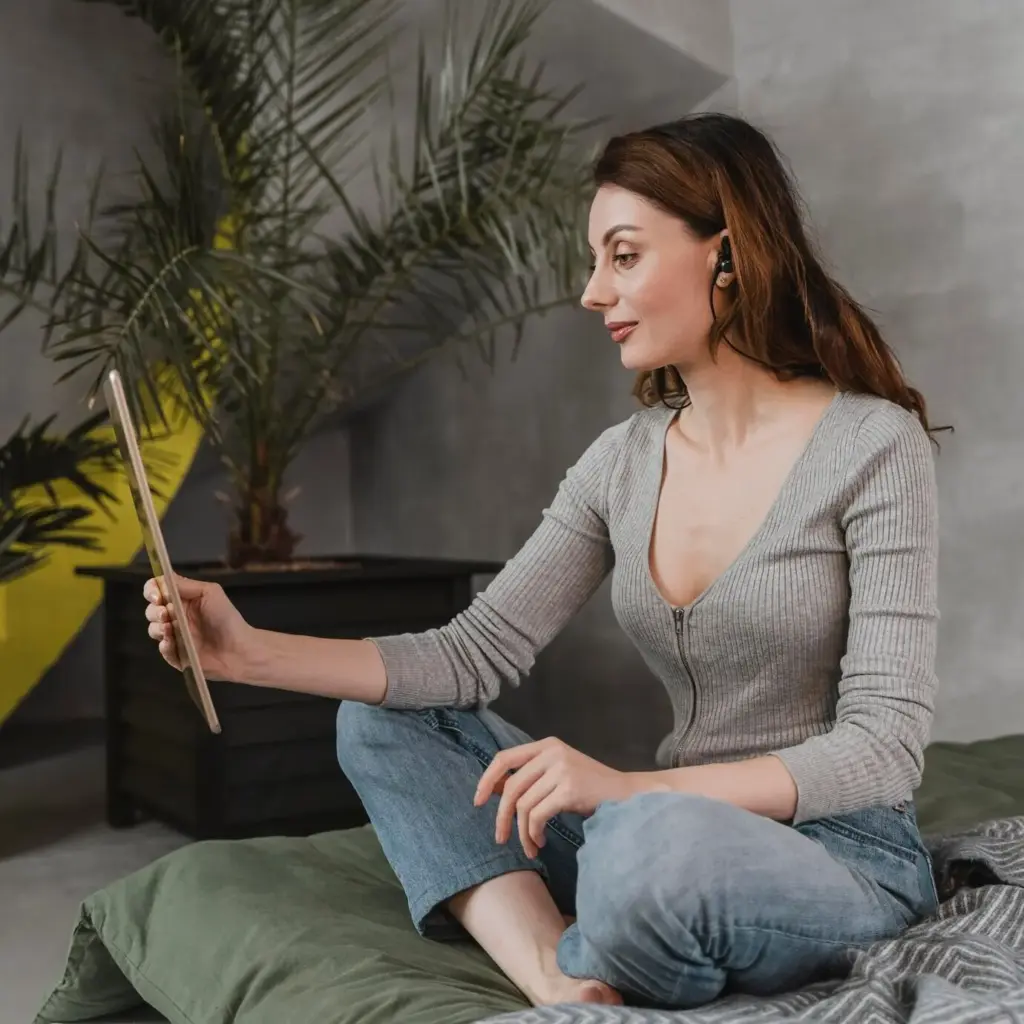
Small shifts multiply when you notice them. Track moments you reset in a pocket notebook or phone note with three columns: where, what sense, impact. Celebrate patterns rather than streaks. Share a favorite one-minute idea with a friend or in the comments so we learn together, and subscribe for weekly practice prompts.
Papalilemapa
Privacy Overview

This website uses cookies so that we can provide you with the best user experience possible. Cookie information is stored in your browser and performs functions such as recognising you when you return to our website and helping our team to understand which sections of the website you find most interesting and useful.